
Have you ever thought about this?
How the problem and the stress was not the queue itself but the not knowing how long I would have to wait for my turn.
Have you ever thought about this?
How the problem and the stress was not the queue itself but the not knowing how long I would have to wait for my turn.
A few weeks ago, I walked into a store to resolve something simple.
There was a queue. Nothing unusual.
People ahead of me. Staff busy. The usual scene.
I didn’t mind waiting.
That’s the strange part.
I wasn’t in a rush. I knew it would take a few minutes and I was prepared for that.
But five minutes in, I felt irritated.
Not because of the queue but because I had no idea what was happening.
Was I next?
Was it going to take two minutes or twenty?
Had someone already been called and I missed it?
Was this line even the right one?

We don’t experience waiting in minutes. We experience it in emotions.
We don’t experience waiting in minutes. We experience it in emotions.
Over the years, working closely with stores, banks, hospitals, and public services, we’ve seen this pattern repeat itself endlessly. And we’ve lived it ourselves, too, as customers standing on the “wrong side” of the counter.
People don’t leave stores angry because they waited.
They leave angry because they didn’t understand why they were waiting.
And that's the big difference.
A five-minute wait with clarity feels shorter than a three-minute wait in confusion. When customers know what’s happening, when they feel acknowledged, when the process makes sense, then waiting becomes tolerable. Sometimes, it even becomes invisible.
Without that clarity, every second stretches.The silence of queues is louder than we think
The silence of queues is louder than we think
One of the most uncomfortable things about unmanaged queues is the silence.
No feedback.
No signal.
No reassurance.
Just people glancing at staff, at each other, at the counter, wondering if they should speak up or stay quiet.
We’ve watched customers step out of line just to ask a simple question:
“Is this where I should be?”
“Did you call my number?”
“Have I been forgotten?”
Not because they’re impatient, but because silence creates doubt. And doubt creates stress.
For customers.For staff.
For managers watching the space slowly fill with tension.

What people really want is predictability
What people really want is predictability
When we look at queue data across different industries, one thing stands out consistently: customers don’t demand speed as much as they demand predictability.
Knowing:
How long the wait might be
What step comes next
That they haven’t been forgotten
That the system is fair
This sense of order changes everything.
In environments where waiting is unavoidable such as healthcare, banking or public services, predictability becomes a form of respect. It tells people: your time matters, even if you have to wait.The hidden cost of “just waiting”
The hidden cost of “just waiting”
From the outside, unmanaged queues can seem harmless.
People are standing.
The service is moving.
No one is shouting.
But beneath the surface:
Customers leave without completing what they came for
Staff shorten conversations to “catch up”
Managers lose visibility over what’s actually happening
Peaks and bottlenecks repeat every day without explanation
Most of this goes unnoticed until it becomes a real problem.
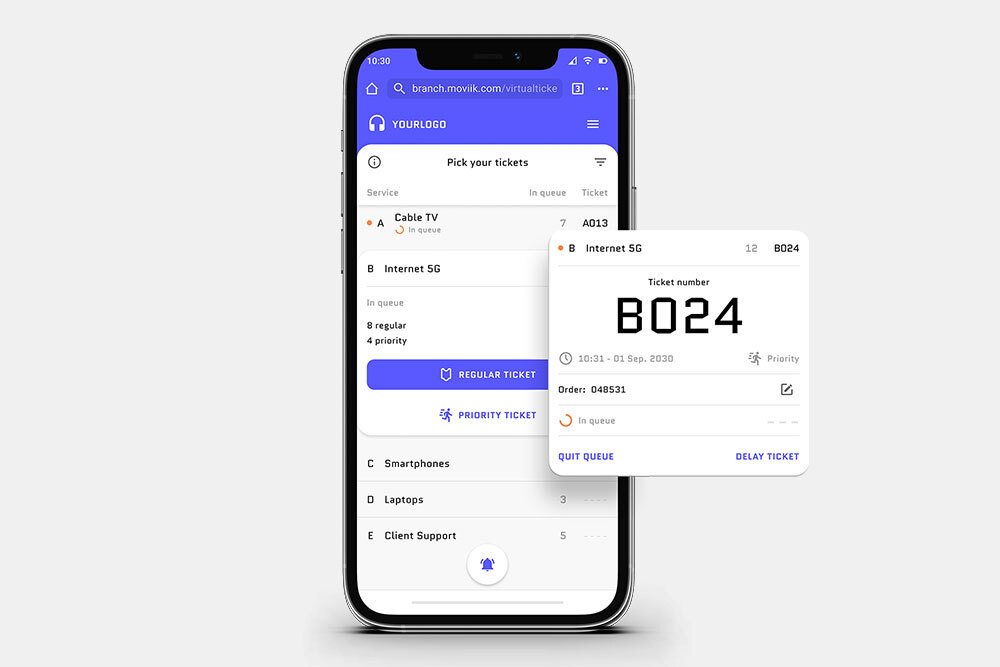
When uncertainty disappears, everything changes
When uncertainty disappears, everything changes
We’ve seen spaces transform without becoming faster.
Same staff.
Same volume.
Same opening hours.
The difference was simple: people knew where they stood.
Clear flows.
Clear signals.
Clear expectations.
Customers relaxed. Staff regained control of their pace. Managers finally had visibility over what was happening inside their own spaces. And all this, not based on feelings, but on facts.
And suddenly, the queue stopped being the problem.Waiting isn’t going away, but frustration can
Waiting isn’t going away, but frustration can
Queues will always exist in physical spaces. They’re part of human interaction, demand, and service. Trying to eliminate waiting entirely is unrealistic.
But eliminating uncertainty?
That’s achievable.
And when uncertainty goes away, waiting stops feeling like wasted time and starts feeling like part of a process people understand.
The next time you find yourself standing in line, ask yourself:
Is this frustrating because it’s slow, or because I don’t know what’s going on?
Chances are, it’s the second one.
And that’s where better experiences really begin.Have you ever thought about this?
How the problem and the stress was not the queue itself but the not knowing how long I would have to wait for my turn.
Have you ever thought about this?
How the problem and the stress was not the queue itself but the not knowing how long I would have to wait for my turn.
A few weeks ago, I walked into a store to resolve something simple.
There was a queue. Nothing unusual.
People ahead of me. Staff busy. The usual scene.
I didn’t mind waiting.
That’s the strange part.
I wasn’t in a rush. I knew it would take a few minutes and I was prepared for that.
But five minutes in, I felt irritated.
Not because of the queue but because I had no idea what was happening.
Was I next?
Was it going to take two minutes or twenty?
Had someone already been called and I missed it?
Was this line even the right one?
We don’t experience waiting in minutes. We experience it in emotions.
We don’t experience waiting in minutes. We experience it in emotions.
Over the years, working closely with stores, banks, hospitals, and public services, we’ve seen this pattern repeat itself endlessly. And we’ve lived it ourselves, too, as customers standing on the “wrong side” of the counter.
People don’t leave stores angry because they waited.
They leave angry because they didn’t understand why they were waiting.
And that's the big difference.
A five-minute wait with clarity feels shorter than a three-minute wait in confusion. When customers know what’s happening, when they feel acknowledged, when the process makes sense, then waiting becomes tolerable. Sometimes, it even becomes invisible.
Without that clarity, every second stretches.The silence of queues is louder than we think
The silence of queues is louder than we think
One of the most uncomfortable things about unmanaged queues is the silence.
No feedback.
No signal.
No reassurance.
Just people glancing at staff, at each other, at the counter, wondering if they should speak up or stay quiet.
We’ve watched customers step out of line just to ask a simple question:
“Is this where I should be?”
“Did you call my number?”
“Have I been forgotten?”
Not because they’re impatient, but because silence creates doubt. And doubt creates stress.
For customers.For staff.
For managers watching the space slowly fill with tension.
What people really want is predictability
What people really want is predictability
When we look at queue data across different industries, one thing stands out consistently: customers don’t demand speed as much as they demand predictability.
Knowing:
How long the wait might be
What step comes next
That they haven’t been forgotten
That the system is fair
This sense of order changes everything.
In environments where waiting is unavoidable such as healthcare, banking or public services, predictability becomes a form of respect. It tells people: your time matters, even if you have to wait.The hidden cost of “just waiting”
The hidden cost of “just waiting”
From the outside, unmanaged queues can seem harmless.
People are standing.
The service is moving.
No one is shouting.
But beneath the surface:
Customers leave without completing what they came for
Staff shorten conversations to “catch up”
Managers lose visibility over what’s actually happening
Peaks and bottlenecks repeat every day without explanation
Most of this goes unnoticed until it becomes a real problem.
When uncertainty disappears, everything changes
When uncertainty disappears, everything changes
We’ve seen spaces transform without becoming faster.
Same staff.
Same volume.
Same opening hours.
The difference was simple: people knew where they stood.
Clear flows.
Clear signals.
Clear expectations.
Customers relaxed. Staff regained control of their pace. Managers finally had visibility over what was happening inside their own spaces. And all this, not based on feelings, but on facts.
And suddenly, the queue stopped being the problem.Waiting isn’t going away, but frustration can
Waiting isn’t going away, but frustration can
Queues will always exist in physical spaces. They’re part of human interaction, demand, and service. Trying to eliminate waiting entirely is unrealistic.
But eliminating uncertainty?
That’s achievable.
And when uncertainty goes away, waiting stops feeling like wasted time and starts feeling like part of a process people understand.
The next time you find yourself standing in line, ask yourself:
Is this frustrating because it’s slow, or because I don’t know what’s going on?
Chances are, it’s the second one.
And that’s where better experiences really begin.