
Last week, we were in London for Passenger Terminal Expo 2026.
Three days of conversations with airports, airlines, and industry professionals from all over the world. Different roles, different regions, but interestingly, very similar challenges.
And honestly, none of them felt new.
Because we’ve all lived them.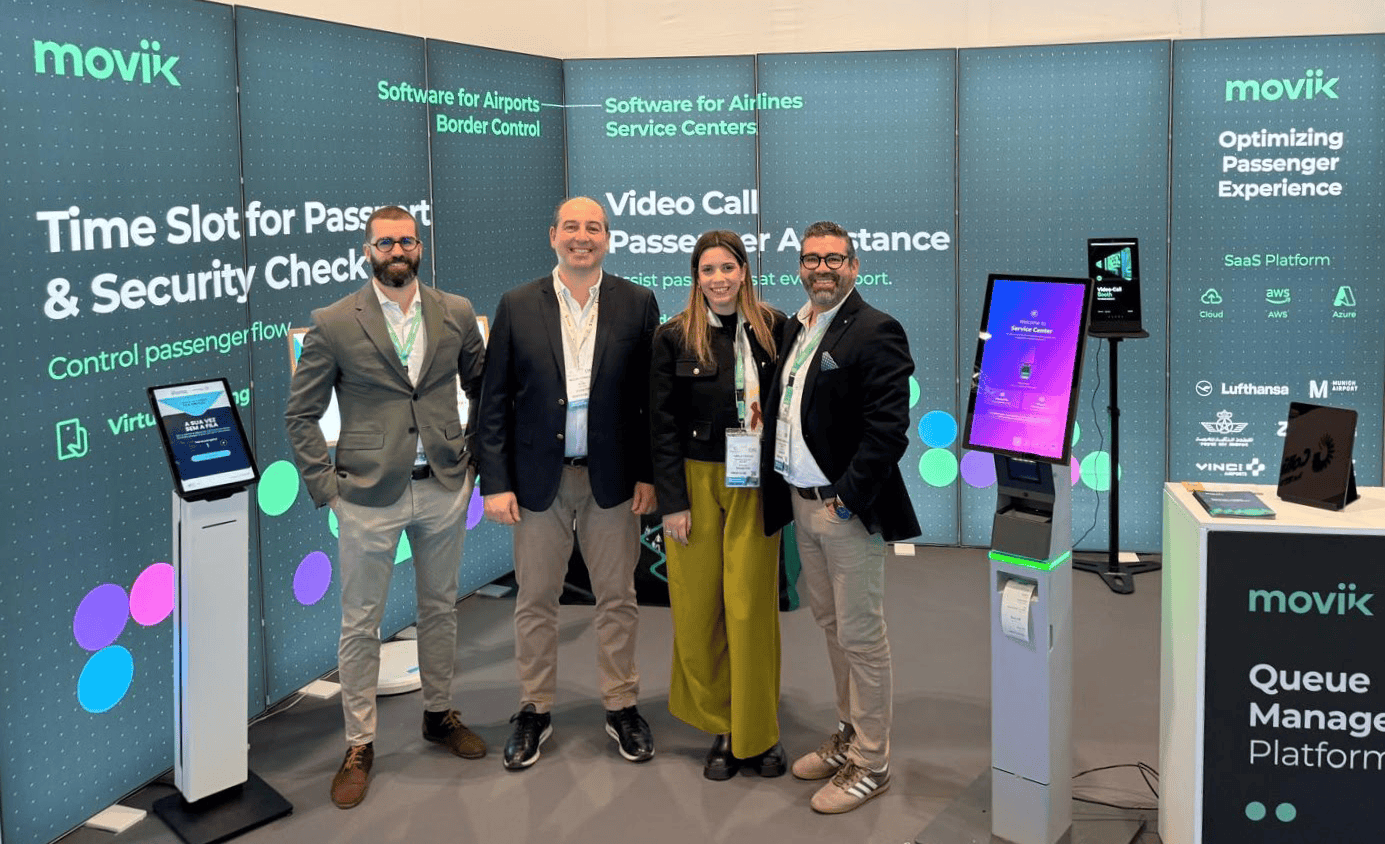
We’re all passengers first
We’re all passengers first
Before working in this industry, we’re all passengers.
We’ve all been there:
Running through an airport after a delay
Waiting in line for what feels like forever
Trying to find someone to talk to when something goes wrong
Missed flights.
Lost luggage.
Gate changes.
And too often, the only “solution” is:
Fill out a form… and wait.
The real friction isn’t flying, it’s everything around it
The real friction isn’t flying, it’s everything around it
Flying itself is fast.
But everything around it? That’s where things slow down.
How many times have you:
Spent more time in the airport than in the air?
Waited in long queues for security or border control?
Stood in line just to ask a simple question?
It doesn’t make much sense.
Air travel is designed to move people quickly across the world, but inside the airport, we still rely on processes that create friction instead of removing it.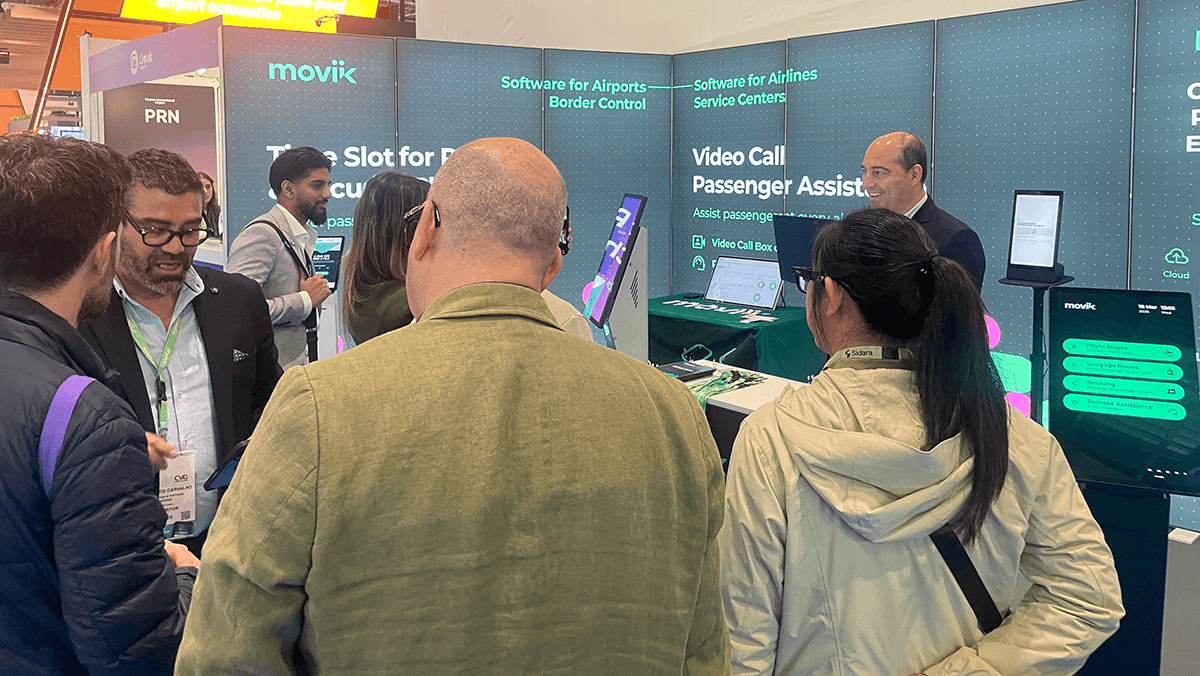
What we heard in London
What we heard in London
At Passenger Terminal Expo, most conversations came back to the same points:
Security bottlenecks
Pressure during peak hours
Limited service availability
The challenge of scaling without adding more infrastructure
Different airports. Same reality.
And there’s a clear understanding across the industry: the current way of managing passenger flow isn’t enough anymore.
A shift that’s already happening
A shift that’s already happening
What’s changing isn’t just technology, it’s the mindset.
Airports and airlines are starting to look at passenger flow differently:
Not just as movement, but as experience
Not just as operations, but as something that needs to be predictable and manageable
What we’re building at Moviik
What we’re building at Moviik
At Moviik, we’re focused on solving very specific problems, the ones we all experience.
1. Time Slots for Security and Border Control
1. Time Slots for Security and Border Control
Instead of standing in line after a flight, passengers can:
Select a time slot
Arrive when needed
Move through the process without unnecessary waiting
It’s simple and it changes the experience completely.
Instead of waiting in a queue, passengers can:
Sit down
Grab a coffee
Move freely

2. Remote Video Assistance for Airline and Airport Service
2. Remote Video Assistance for Airline and Airport Service
Another common issue:
What happens when there’s no one available to help?
Not every airport has a full airline service desk.
And even when it does, it’s not always open.
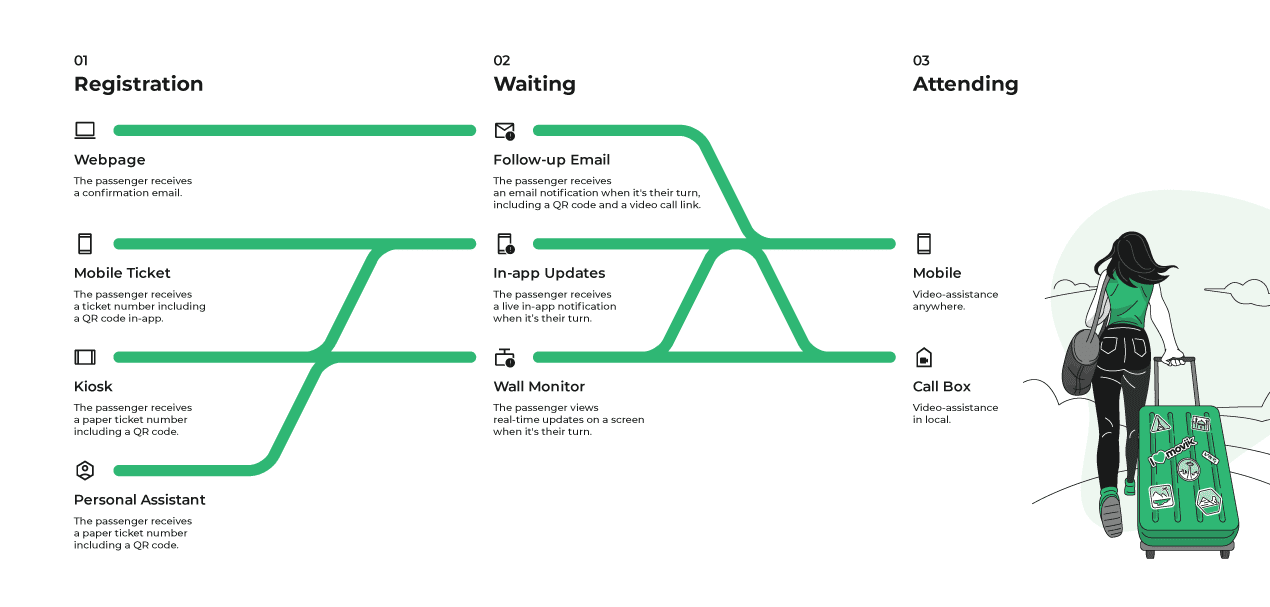
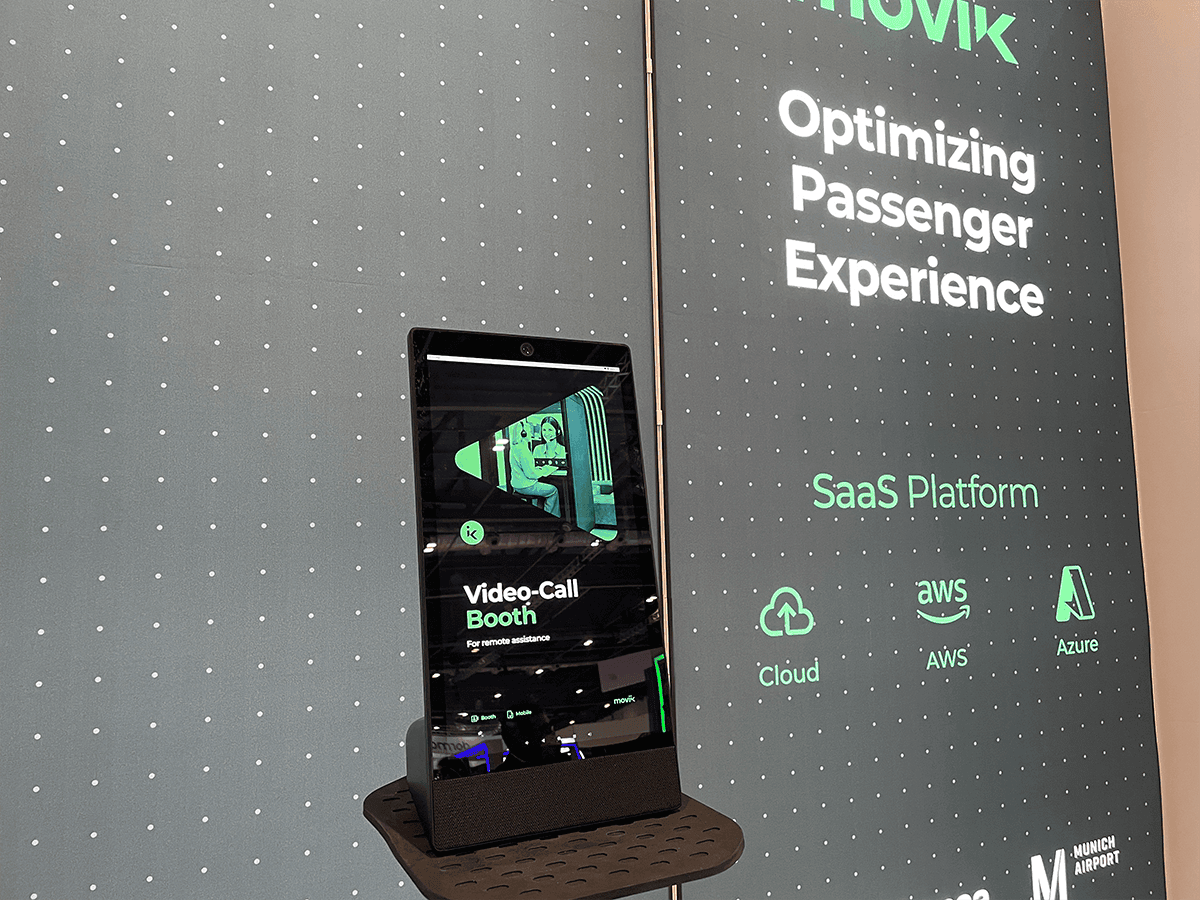
With remote video assistance:
Passengers take a ticket (physical or digital)
Wait with clarity
And when called, connect with a real person via video
That person might be:
A specialist in another location
A central support team
Or staff helping remotely during peak times
Service becomes available anytime, anywhere.
This isn’t about adding more, it’s about doing it better
This isn’t about adding more, it’s about doing it better
One of the biggest takeaways from London:
Airports aren’t necessarily looking to add more counters, more space, or more staff.
They’re looking for ways to:
Use resources better
Handle peaks more efficiently
Reduce unnecessary friction
We’re on the right track
We’re on the right track
Passenger expectations are changing.
People are more aware of their time, they expect clarity, and they expect things to work.
And when they don’t, the frustration is immediate.
The conversations we had in London confirmed something important:
- The industry knows these problems.
- The industry is actively looking for better ways to solve them.
And the direction is clear:
Less waiting in line
More flexibility
More accessible service
Flying should be simple
Flying should be simple
At the end of the day, this is what it comes down to:
Flying should be practical.
Flying should be fast.
Flying shouldn’t feel like a process you have to endure.
The airport experience still has a long way to go, but it’s moving in the right direction.
And we’re glad to be part of that shift.Last week, we were in London for Passenger Terminal Expo 2026.
Three days of conversations with airports, airlines, and industry professionals from all over the world. Different roles, different regions, but interestingly, very similar challenges.
And honestly, none of them felt new.
Because we’ve all lived them.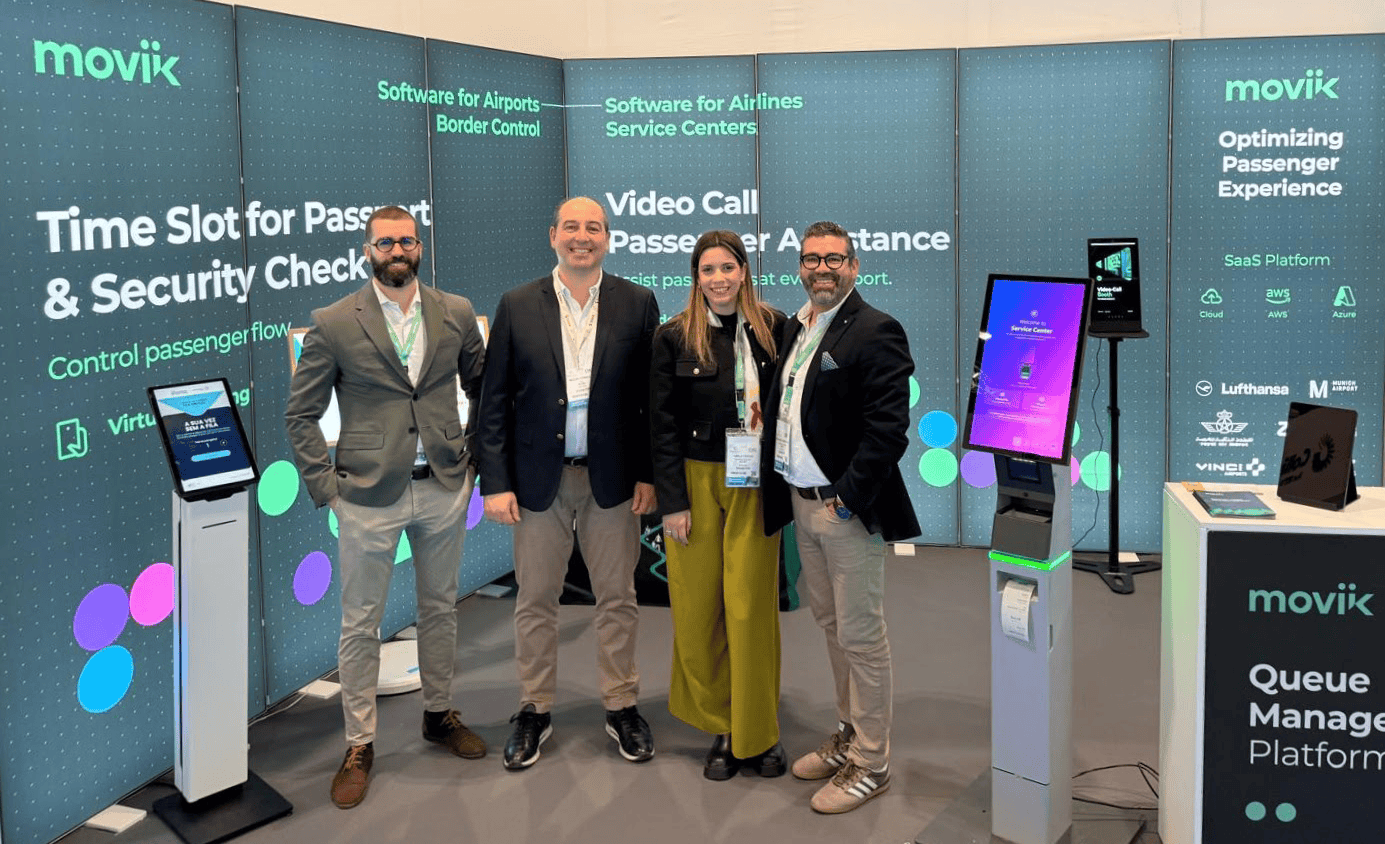
We’re all passengers first
We’re all passengers first
Before working in this industry, we’re all passengers.
We’ve all been there:
Running through an airport after a delay
Waiting in line for what feels like forever
Trying to find someone to talk to when something goes wrong
Missed flights.
Lost luggage.
Gate changes.
And too often, the only “solution” is:
Fill out a form… and wait.
The real friction isn’t flying, it’s everything around it
The real friction isn’t flying, it’s everything around it
Flying itself is fast.
But everything around it? That’s where things slow down.
How many times have you:
Spent more time in the airport than in the air?
Waited in long queues for security or border control?
Stood in line just to ask a simple question?
It doesn’t make much sense.
Air travel is designed to move people quickly across the world, but inside the airport, we still rely on processes that create friction instead of removing it.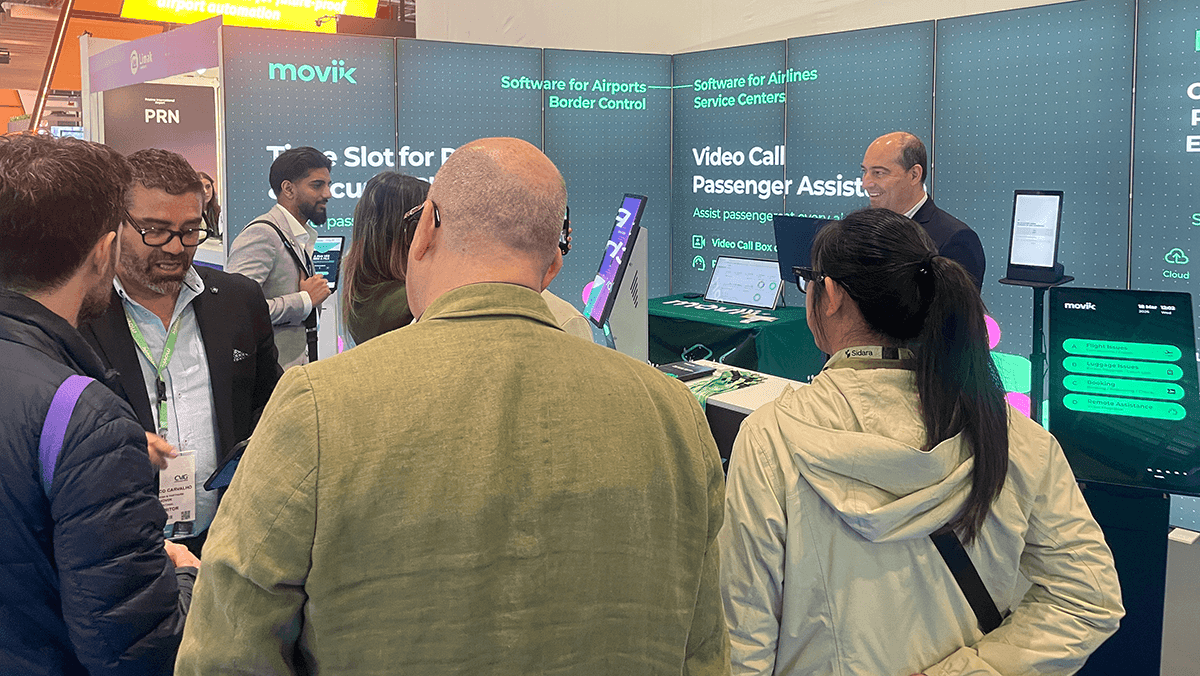
What we heard in London
What we heard in London
At Passenger Terminal Expo, most conversations came back to the same points:
Security bottlenecks
Pressure during peak hours
Limited service availability
The challenge of scaling without adding more infrastructure
Different airports. Same reality.
And there’s a clear understanding across the industry: the current way of managing passenger flow isn’t enough anymore.
A shift that’s already happening
A shift that’s already happening
What’s changing isn’t just technology, it’s the mindset.
Airports and airlines are starting to look at passenger flow differently:
Not just as movement, but as experience
Not just as operations, but as something that needs to be predictable and manageable
What we’re building at Moviik
What we’re building at Moviik
At Moviik, we’re focused on solving very specific problems, the ones we all experience.
1. Time Slots for Security and Border Control
1. Time Slots for Security and Border Control
Instead of standing in line after a flight, passengers can:
Select a time slot
Arrive when needed
Move through the process without unnecessary waiting
It’s simple and it changes the experience completely.
Instead of waiting in a queue, passengers can:
Sit down
Grab a coffee
Move freely
2. Remote Video Assistance for Airline and Airport Service
2. Remote Video Assistance for Airline and Airport Service
Another common issue:
What happens when there’s no one available to help?
Not every airport has a full airline service desk.
And even when it does, it’s not always open.
With remote video assistance:
Passengers take a ticket (physical or digital)
Wait with clarity
And when called, connect with a real person via video
That person might be:
A specialist in another location
A central support team
Or staff helping remotely during peak times
Service becomes available anytime, anywhere.
This isn’t about adding more, it’s about doing it better
This isn’t about adding more, it’s about doing it better
One of the biggest takeaways from London:
Airports aren’t necessarily looking to add more counters, more space, or more staff.
They’re looking for ways to:
Use resources better
Handle peaks more efficiently
Reduce unnecessary friction
We’re on the right track
We’re on the right track
Passenger expectations are changing.
People are more aware of their time, they expect clarity, and they expect things to work.
And when they don’t, the frustration is immediate.
The conversations we had in London confirmed something important:
- The industry knows these problems.
- The industry is actively looking for better ways to solve them.
And the direction is clear:
Less waiting in line
More flexibility
More accessible service
Flying should be simple
Flying should be simple
At the end of the day, this is what it comes down to:
Flying should be practical.
Flying should be fast.
Flying shouldn’t feel like a process you have to endure.
The airport experience still has a long way to go, but it’s moving in the right direction.
And we’re glad to be part of that shift.