
Queues are a universal problem. Customers dislike waiting, yet many businesses still operate without an effective system to manage them. The reality is that unmanaged or poorly managed queues don’t just inconvenience clients—they quietly hurt revenue, efficiency, and customer loyalty.
In 2025, customers expect fast and convenient service. Long lines or slow processes frustrate clients, increase abandonment, and directly impact sales. Despite this, many businesses are unaware of the hidden costs caused by how they handle queues.
This article looks at why queues remain common, the costs they create, and how modern queue management systems can turn waiting into a better experience for customers while helping the business work more efficiently.

Why Queues Persist in 2025
Why Queues Persist in 2025
Even with modern technology, queues are a widespread issue in retail, banking, healthcare, and public services. Key reasons include:
Old Processes: Many companies rely on manual systems or simple first-come, first-served methods;
- Lack of Data: Without understanding customer flow or peak times, staff can’t be scheduled efficiently;
- Limited Tools: Existing systems often don’t allow digital convenience, appointment booking, or real-time updates, which customers expect today.
Using these solutions, businesses can reduce waiting times, allocate staff more efficiently and turn waiting into a chance to improve customer interactions
The Hidden Costs of Poor Queue Management
The Hidden Costs of Poor Queue Management
Queues affect more than mood—they affect business results. Key impacts include:
Lost Sales: Customers abandon purchases when lines are long or service is slow.
Reduced Loyalty: Poor waiting experiences affect how customers see the brand, reducing repeat visits.
Inefficient Operations: Staff may be overworked or misallocated due to unpredictable traffic, increasing labor costs.
Missed Insights: Without digital tracking, businesses lose data on customer patterns, peak periods, and bottlenecks.
Poorly managed queues quietly drain resources, reduce efficiency, and harm customer relationships.
How Modern Queue Management Solves These Problems
How Modern Queue Management Solves These Problems
Modern queue management systems help businesses handle waiting more effectively.
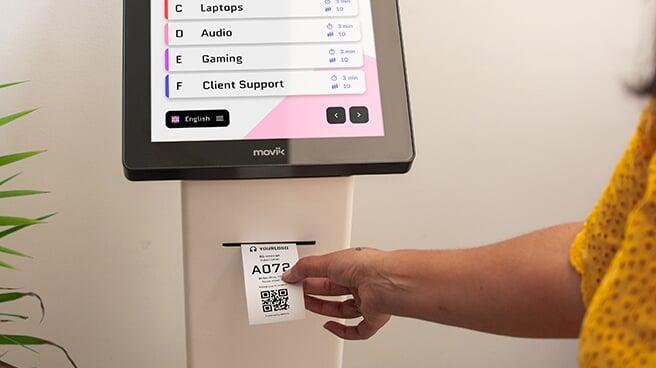
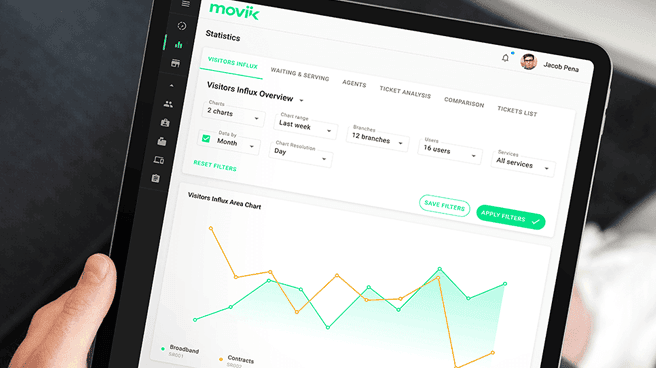
Customers can book time slots online or at kiosks, which reduces the need to wait in person. Notifications sent via SMS or mobile apps keep customers informed about their place in line or appointment times, lowering frustration and uncertainty. At the same time, managers gain access to dashboards that provide insights into peak periods, staff performance, and queue patterns, helping them make informed decisions and allocate resources more efficiently.
By combining digital and physical tools, businesses can provide a consistent experience across different channels, whether customers are interacting in-store or online. These solutions reduce waiting times, make staff management more effective, and turn waiting into an opportunity to improve customer interactions and satisfaction.
Planning ahead to prevent chaos
Planning ahead to prevent chaos
Preparation is key. Stores that plan ahead can manage customer flow and reduce stress. Analyzing traffic patterns, assigning staff strategically, and using queue management data helps anticipate busy moments. Digital tickets, notifications, and real-time insights allow teams to respond quickly and keep lines moving.
Practical Examples & Use Cases
Practical Examples & Use Cases
Queues are unavoidable, but long, unmanaged lines don’t have to be. Poor queue management quietly costs money, wastes resources, and frustrates customers.
Digital tickets, appointment booking, real-time updates, and better data visibility help businesses handle queues efficiently and improve customer experience.
Organizations that adopt these solutions can save time, protect revenue, and make waiting a more positive part of the customer journey.
Queues are a universal problem. Customers dislike waiting, yet many businesses still operate without an effective system to manage them. The reality is that unmanaged or poorly managed queues don’t just inconvenience clients—they quietly hurt revenue, efficiency, and customer loyalty.
In 2025, customers expect fast and convenient service. Long lines or slow processes frustrate clients, increase abandonment, and directly impact sales. Despite this, many businesses are unaware of the hidden costs caused by how they handle queues.
This article looks at why queues remain common, the costs they create, and how modern queue management systems can turn waiting into a better experience for customers while helping the business work more efficiently.
Why Queues Persist in 2025
Why Queues Persist in 2025
Even with modern technology, queues are a widespread issue in retail, banking, healthcare, and public services. Key reasons include:
Old Processes: Many companies rely on manual systems or simple first-come, first-served methods;
- Lack of Data: Without understanding customer flow or peak times, staff can’t be scheduled efficiently;
- Limited Tools: Existing systems often don’t allow digital convenience, appointment booking, or real-time updates, which customers expect today.
Using these solutions, businesses can reduce waiting times, allocate staff more efficiently and turn waiting into a chance to improve customer interactions
The Hidden Costs of Poor Queue Management
The Hidden Costs of Poor Queue Management
Queues affect more than mood—they affect business results. Key impacts include:
Lost Sales: Customers abandon purchases when lines are long or service is slow.
Reduced Loyalty: Poor waiting experiences affect how customers see the brand, reducing repeat visits.
Inefficient Operations: Staff may be overworked or misallocated due to unpredictable traffic, increasing labor costs.
Missed Insights: Without digital tracking, businesses lose data on customer patterns, peak periods, and bottlenecks.
Poorly managed queues quietly drain resources, reduce efficiency, and harm customer relationships.
How Modern Queue Management Solves These Problems
How Modern Queue Management Solves These Problems
Modern queue management systems help businesses handle waiting more effectively.
Customers can book time slots online or at kiosks, which reduces the need to wait in person. Notifications sent via SMS or mobile apps keep customers informed about their place in line or appointment times, lowering frustration and uncertainty. At the same time, managers gain access to dashboards that provide insights into peak periods, staff performance, and queue patterns, helping them make informed decisions and allocate resources more efficiently.
By combining digital and physical tools, businesses can provide a consistent experience across different channels, whether customers are interacting in-store or online. These solutions reduce waiting times, make staff management more effective, and turn waiting into an opportunity to improve customer interactions and satisfaction.
Planning ahead to prevent chaos
Planning ahead to prevent chaos
Preparation is key. Stores that plan ahead can manage customer flow and reduce stress. Analyzing traffic patterns, assigning staff strategically, and using queue management data helps anticipate busy moments. Digital tickets, notifications, and real-time insights allow teams to respond quickly and keep lines moving.
Practical Examples & Use Cases
Practical Examples & Use Cases
Queues are unavoidable, but long, unmanaged lines don’t have to be. Poor queue management quietly costs money, wastes resources, and frustrates customers.
Digital tickets, appointment booking, real-time updates, and better data visibility help businesses handle queues efficiently and improve customer experience.
Organizations that adopt these solutions can save time, protect revenue, and make waiting a more positive part of the customer journey.


